
Loading...
Serving Manteca, CA and surrounding areas. (209) 880-7645
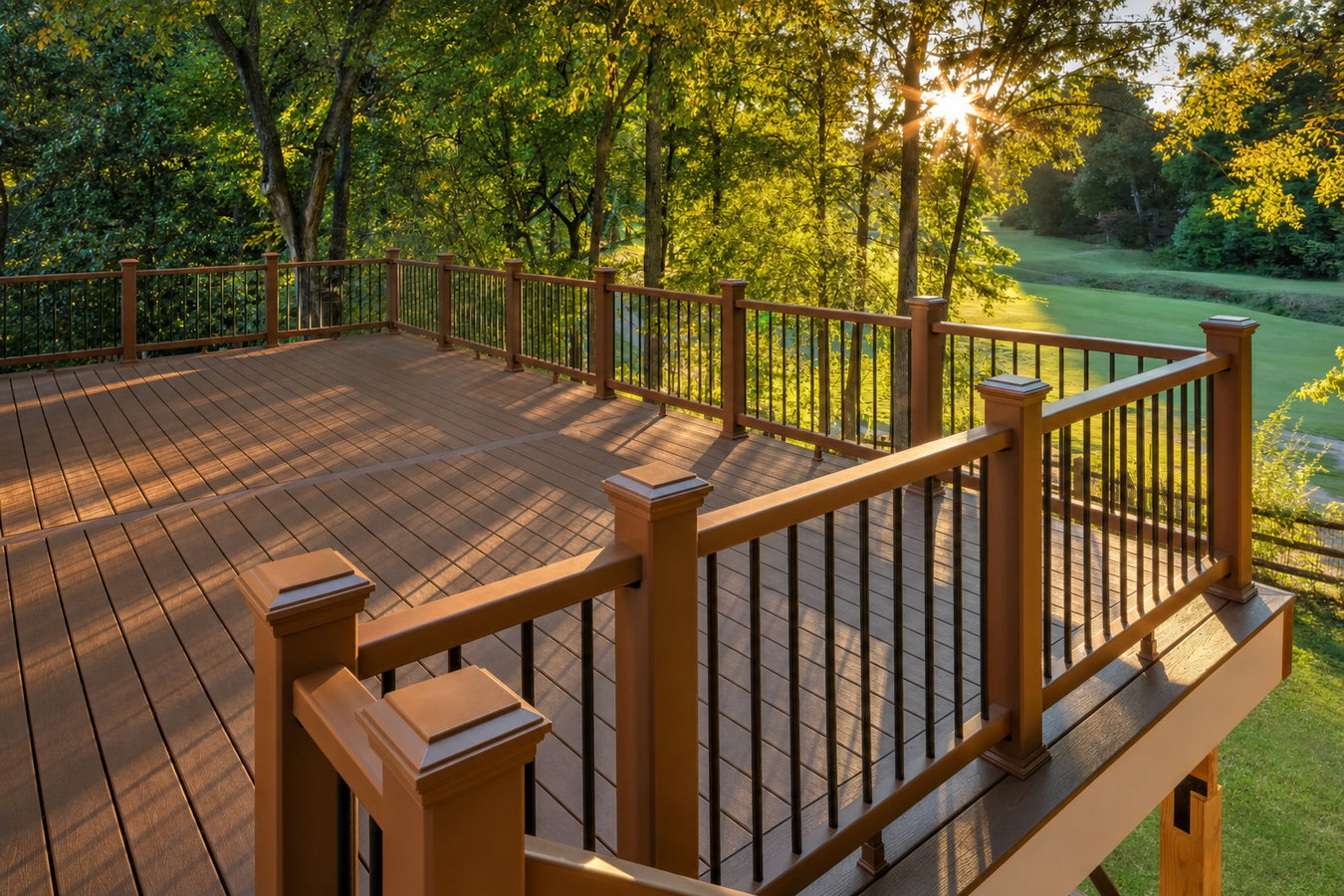
A wobbly railing or one that fails inspection is not just an eyesore - it is a safety issue. We install deck railings in Manteca that pass city inspection, hold up through valley summers, and work within your HOA rules.
Deck railing installation in Manteca, CA covers new railing systems and full replacements on elevated decks - most single-deck jobs are completed in one day on-site, with the permit and inspection process adding two to four weeks to the total timeline from first call to finished railing.
California requires a railing on any deck surface that sits 30 inches or more above the ground, and Manteca's Building Division requires a permit for the structural work involved in installing or replacing one. That is not a hassle - it is how you get an independent inspector to confirm your railing is anchored correctly before anyone uses it. A railing that wobbles under pressure is not just a problem for the city; it is a liability for you as the homeowner. If you are replacing the railing as part of a larger deck project, our multi-level decks service and our custom deck design and build service both include railing as part of the complete project.
Many Manteca homes built in the early 2000s have original builder-grade railings that were installed to the minimum standard and are now showing their age - cracking wood, loose posts, or gaps that no longer meet current spacing requirements. A railing replacement is often the right time to upgrade the material and the post anchoring all at once, and the same applies to porch railing on covered entries that were built with the same builder-grade hardware.
Give your railing a firm push from the side. If it moves more than a little, the posts are no longer anchored securely. This is a safety issue - a railing that fails under pressure can cause a serious fall, especially for children or older family members. A wobbly railing does not fix itself; it gets worse over time as the connections loosen further.
Manteca's summer heat and dry conditions are hard on wood. If your railing boards are visibly cracked, have splinters you can pull off by hand, or have turned a weathered gray color, the wood has lost much of its strength. A railing that looks this way has likely been weakened enough that it should be replaced, not just repainted.
Stand back and look at the spacing between your balusters - the vertical pieces between the posts. If you can fit your fist through any of the gaps, they are too wide to meet current safety requirements. This is especially important if you have young children or grandchildren who use the deck regularly.
Many Manteca homes built in the early 2000s have railings that were installed to the minimum standard. If your home is in one of those subdivisions and the railing has never been professionally inspected, it is worth having a deck contractor take a look - especially if the deck has clay soil movement underneath it that may have shifted the post connections over time.
Every railing we install starts with the posts - because a railing is only as strong as what anchors it to the deck frame. We bolt posts through the rim joist with proper hardware rather than surface-mounting with lag screws alone, which is the most common reason railings feel solid for the first year and then start to loosen. We pull the city permit and schedule the final inspection before we consider the job complete. If your existing deck frame has shifted from soil movement underneath it, we identify that before the new railing goes in rather than covering up the problem. If the railing is part of a new multi-level build, we coordinate the multi-level deck project so the railing is designed into the structure from the start, not added as an afterthought.
Material options range from pressure-treated wood - the most affordable choice upfront - to composite, aluminum, and cable or glass systems. In Manteca's climate, composite and aluminum hold up far better than wood under sustained heat without annual sealing or painting. For homeowners planning a full deck rebuild at the same time, our custom deck design and build service handles the whole project. The American Wood Council publishes a residential deck construction guide that outlines post anchoring and railing requirements if you want to understand the standards before your estimate.
Pressure-treated or cedar posts, rails, and balusters - the most affordable upfront option, suited to homeowners who prefer a traditional wood look and are committed to annual sealing in the valley climate.
Wood-look profiles in a material that resists cracking, fading, and splintering under Manteca's summer heat - a strong match for homeowners who want low maintenance over the long term.
Powder-coated aluminum posts and rails that will not rust, rot, or need painting - suited to homeowners who want a clean modern look with near-zero maintenance in any weather.
Open, contemporary designs that preserve sightlines across the yard - suited to homeowners who want a modern aesthetic and are willing to invest more upfront for a distinctive finished look.
Manteca's combination of hot, dry summers and clay-heavy soil creates two problems for deck railings that you do not run into the same way in other parts of California. Wood railings in this climate take a beating from sustained temperatures that regularly exceed 100 degrees from June through September - unsealed wood dries out, cracks, and starts to splinter faster than most homeowners expect. And on decks that are more than ten years old, the clay soil underneath may have shifted the footings enough to put stress on the post connections at the base. A railing that felt solid when it was new may have loosened not because of the railing itself but because of what the ground has been doing underneath it. We serve homeowners dealing with exactly these issues regularly in Lathrop and Stockton, where the same soil conditions and climate apply.
A large share of Manteca's housing stock was built between 2000 and 2015, which means many decks in the city are now at the age where original railings - especially wood ones - are showing genuine wear for the first time. Homeowners in these neighborhoods are often replacing builder-grade railings for the first time, which can involve removing old hardware, patching the deck surface, and upgrading to a more durable system. Manteca's newer master-planned communities also have active HOAs with design rules that govern railing color, material, and style - so checking with your HOA before choosing a railing system is not optional if you want to avoid a redesign request after the work is done.
We ask about the size of your deck, what your current railing looks like, whether you have an HOA, and roughly what material you are considering. This call usually takes ten to fifteen minutes. We respond to new inquiries within one business day and can often schedule an on-site visit within the week.
We come to your home, measure the linear footage of railing needed, and check the condition of your deck frame and existing post connections. If we find something that needs to be addressed before the new railing goes in - a shifted footing or a deck surface that needs patching - we tell you upfront with a clear explanation of the options.
Once you sign the contract, we submit the permit application to the City of Manteca Building Division. Permit approval typically takes a few business days to a couple of weeks. We handle all the paperwork - you should not need to do anything except be available if the city has a question about the property.
Most single-deck jobs are completed in one day. We remove the old railing, install posts with proper through-bolt anchoring, add rails and balusters, and keep kids and pets away from the work area while the crew is on-site. After installation, we schedule the city inspection. Once it passes, we walk you through the finished railing and hand over your permit and inspection records.
We handle the permit, the city inspection, and the cleanup. You get a written quote before anyone picks up a tool - no surprise charges at the end.
(209) 880-7645A railing is only as strong as its post connections. We bolt posts through the rim joist with proper hardware - not just surface lag screws - because that is what keeps a railing solid through years of use and soil movement. The post installation is the step that determines whether a railing feels permanently solid or slowly loosens over time.
We pull the city permit and coordinate the final inspection before we consider the job complete. You get copies of everything at the end. A permitted and inspected railing is on record as safe and legal - which matters when you sell your home or file an insurance claim. The City of Manteca Building Division is the office that issues permits and sends inspectors - we work with them, not around them.
Many Manteca neighborhoods have HOA architectural guidelines that govern railing color, material, and style. We ask about your HOA before drawing up plans and help you find an option that satisfies the association and still looks the way you want. A contractor who does not ask about your HOA is leaving you exposed to a costly redesign request after the job is done.
We give you a written quote that covers materials, labor, permit fees, and cleanup before anyone picks up a tool. The California Contractors State License Board verifies our license is active and in good standing - you can look it up yourself in about two minutes. No surprise charges added at the end because we found something unexpected.
Proper post anchoring, permitted work, materials suited to the valley climate, and a written price upfront are not extras we add on request - they are the baseline for every railing job we complete. Those four things together are why the railings we install stay solid years after the job is done.
Full deck design from the ground up - including railing selection - tailored to your yard, your HOA, and your budget.
Learn MoreTwo or more connected deck platforms at different heights, each requiring code-compliant railing on every elevated surface.
Learn MoreWe handle the permit, the inspection, and the cleanup - call now or send us a message for a free written quote with no obligation.